By Betty Luke
Officials and activists in Isiolo County have raised a red flag over increasing cases of Gender-Based Violence (GBV) in the region, especially during the Coronavirus period.
Among the common cases are incest, defilement and sodomy which are rarely reported, Female Genital Mutilation (FGM) and early marriages.
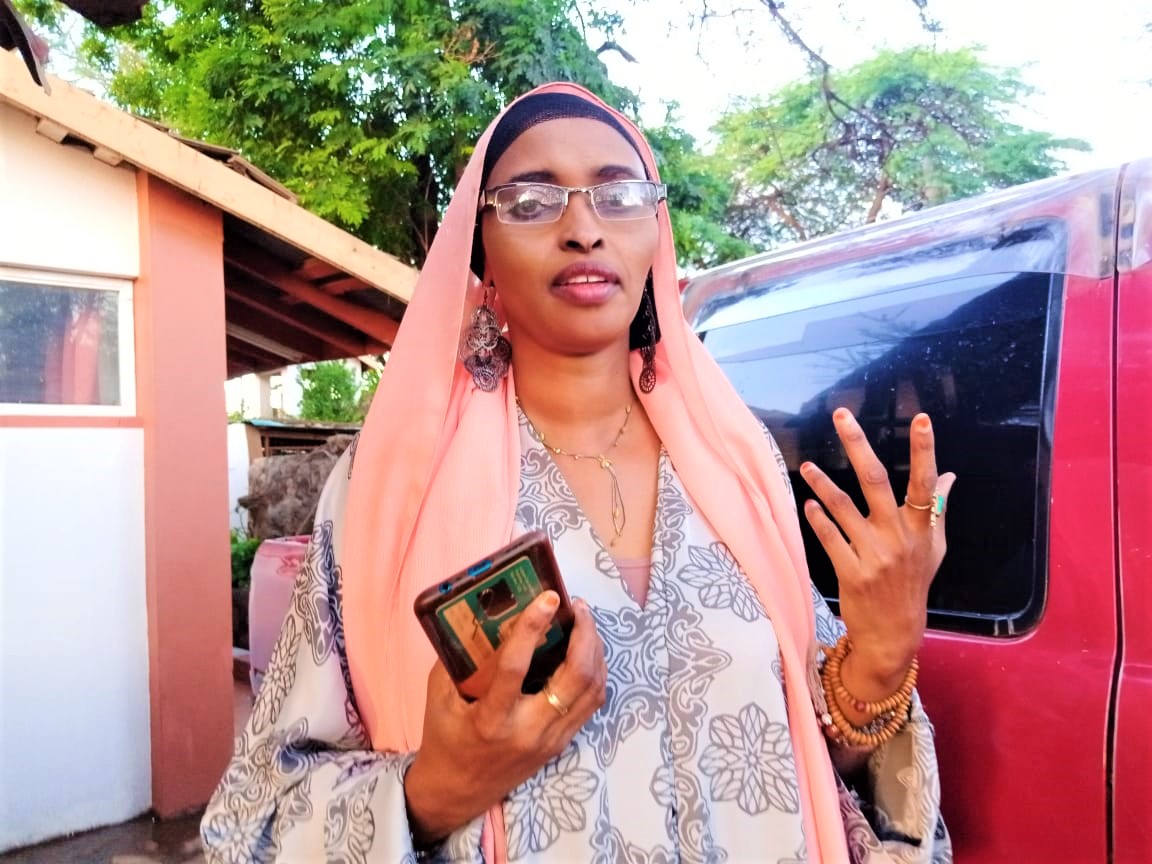
Ms Rosaline Gollo, an Anti-FGM activist, attributed the surge in incest cases among young boys and girls to online pornographic materials and poor parenting where a number do not mind knowing what their children do on phone.
Sources say close to 10 incest and sodomy cases are witnessed weekly.
She said cases of domestic violence, defilement and rape continued abated and that many of the victims’ families were settling the matters locally denying the affected justice.
Ms Gollo, who is the founder of Waso Hope CBO, decried over rising cases of school girls being subjected to the cut and married off to old men saying the government’s movement restrictions had affected the fight to contain the vices.
“Cases of GBV have been on the rise and many are not reported as the victims either are threatened or unwilling to share due to the shock and stigmatization,” said Ms Gollo.
Last year, more than 5,000 GBV related cases were reported in the country, a 36 percent increase from the cases reported in 2019.
Through Ms Gollo’s organisation more than five girls including an orphan school girl who was reportedly raped, impregnated and infected with HIV/AIDS in Merti were rescued last year.
The 14-year-old, who was defiled by a former teacher in March last year, has already been enrolled in a program at the Center for Rights Education and Awareness (CREAW) where the survivors benefit with Sh7000 monthly stipend.
Drugs and substance abuse, poverty, cultural beliefs and identity crisis among the youth are among the top causes of GBV in the country.
To eradicate the vices, the government has already introduced safety cash transfers to cushion people against the adverse effects of the pandemic, anonymous reporting platforms and sensitization and awareness creation programs.
FGM prevalence in Kenya stands at 21 percent with the vice being practiced in over 50 percent of Kenyan communities.