By Betty Luke
Grace Meitiaki, a herder from Laikipia County, has never set foot in a classroom due to retrogressive Maasai culture that requires women to stay home and take care of the families while the men herd the livestock.
The community, however, allows women to take care of the small animals like the goats and sheep that require less attention and do not require women to move far from their homes as men walk longer distances in search of water and pasture for the animals.
The mother of five says she had an opportunity to tend to goats and the young ones of cows but had no basic knowledge on livestock keeping, making her reap little from the engagement.
“I used to get a few cups of milk which was enough. I knew nothing more apart from the usual way of tending to the goats just around the homestead and would bring them back later in the evening,” Ms Metiaki tells the Press Point.
The 38-year-old regularly bore the effects of ineffective livestock keeping due to inadequate knowledge.
“I never knew of better livestock keeping methods that would improve the health of my animals and increase their production,” she says.
Ms Meitiaki would in 2021 benefit from an informal training programme aimed at helping pastoralists in Isiolo, Laikipia and Marsabit counties adopt better livestock-keeping mechanisms.

The program, dubbed Ufugaji Bora Mashinani, by Northern Rangelands Trust’s (NRT) Livestock department aims to offer knowledge on animal health, feeding, husbandry and livestock market for sustainable livelihoods.
The ambitious three-year USAID-funded program that targeted women and Morans has been hailed for increased animal productivity as well as helping eradicate cattle rustling through the introduction of better animal breeds that attain the international weight within a short time.
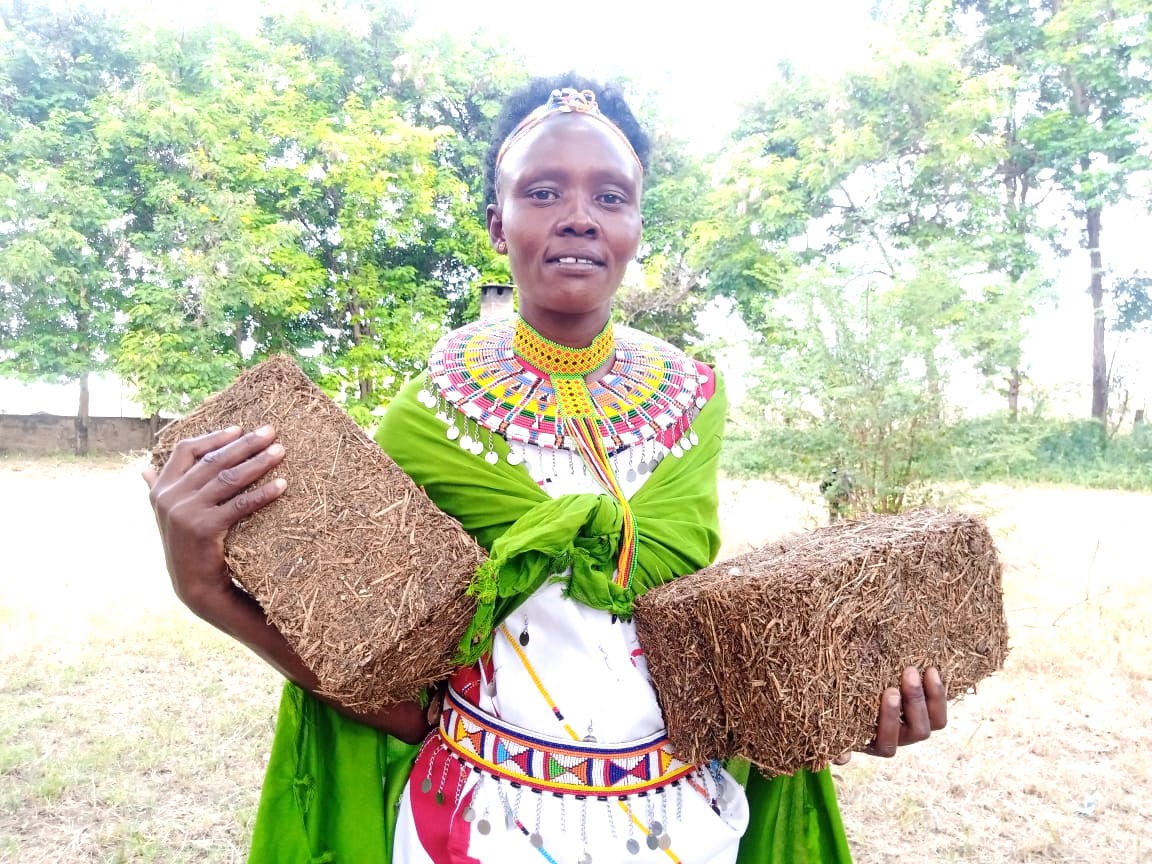
She says the program introduced her to fodder farming and subsequent production of animal feed blocks that she feeds her livestock and which have increased the animals productivity.
“I was taught on how to make nutritious feed blocks using grass, animal salt and molasses and I have also taught some of my neighbours,” she says.
Although she is yet to go commercial, Ms Meitiaki produces enough for her animal’s consumption noting that she hopes to start supplying the blocks to other livestock keepers within Laikipia county.
The blocks, she reveals, greatly cushioned her animals against the ravaging effects of the recent drought as she had made enough for her animals.
“I used to feed a single block to my goats in the evening and that would sustain them until the following day. It helped cushion them from the drought,” she shares.
Another beneficiary, Ms Jelina Lekiluai, from Sera Community Conservancy in Samburu says she used to ‘treat’ her animals whenever they fell ill without realizing the dangers she was subjecting them too.
“I used to buy drugs at the agrovet depending on what I thought was ailing the animals. Following the training, I realized I was hurting my goats by injecting them wrongly instead of engaging experts,” shares Ms Lekiluai.
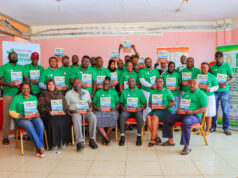
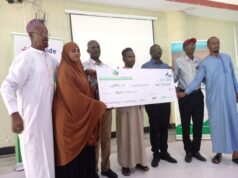
The two are part of 55 percent of women who Wednesday graduated at a ceremony held at Kambi Garba in Isiolo.
The program saw 300 pastoralists gain knowledge and skills that will build their resilience to the ravaging effects of climate change that led to massive death of hundreds of thousands of animals.
NRT-T Mashinani Work’s Chairperson Kevit Desai says the program is an innovative way to help pastoralists create unique solutions to counter numerous challenges they are exposed to due to the changing weather patterns.
He says through the feed blocks, the herders are introduced to unique ways of identifying alternative feeds that offer a balanced diet to the livestock hence increasing productivity.
“We sought to create a holistic approach through which livestock keepers can address pasture shortage, animal diseases as well as increase animal productivity to earn more money from what they are used to,” he told journalists.

The initiative also encourages livestock keepers to focus on keeping small herds that give them maximum benefits instead of rearing large herds that contribute a little income.
Mashinani Works’ CEO Vishal Shah said the initiative was informed by the desire to improve Northern Kenya’s economy that largely depends on livestock keeping while using community led initiatives.
Director at State Department of Livestock Elmi Bashir who represented PS Jonathan Mweke revealed government’s plan to support locally-led initiatives geared towards improving meat production in the region to meet the market demand.
Announcing that the Isiolo export abattoir was nearing completion, Mr Bashir said the biggest challenge was on ensuring sufficient production to not only satisfy the country’s consumption but other countries that would require meat products from Kenya.
“We can only achieve the current demand of 660,000 metric tonnes of meat by supporting local initiatives that seek to address animal health, genetics and breeding and animal feeds that remain a threat to meat production in the country,” he said adding that the current market supply of meat stands at 464,000 metric tonnes.