By Betty Luke
Kenya Wildlife Service (KWS) has intensified drought mitigation efforts in Isiolo and several other counties as drought continue to strain water and pasture resources, sparking fear of human-wildlife conflict.
KWS Director General Erustus Kanga said new water infrastructure projects will be rolled out in Isiolo alongside Kilifi, Taita Taveta, Kwale, Tana River, Marsabit, Turkana, Garissa, Wajir, Mandera, Tharaka Nithi, and Meru counties to ensure wildlife have sufficient access to water especially during dry spell.
The official revealed that the government had allocated Sh4billion monthly budget for drought interventions, including the purchase of water, livestock feed, and other essential supplies, with development partners expected to contribute an additional Sh2 billion.
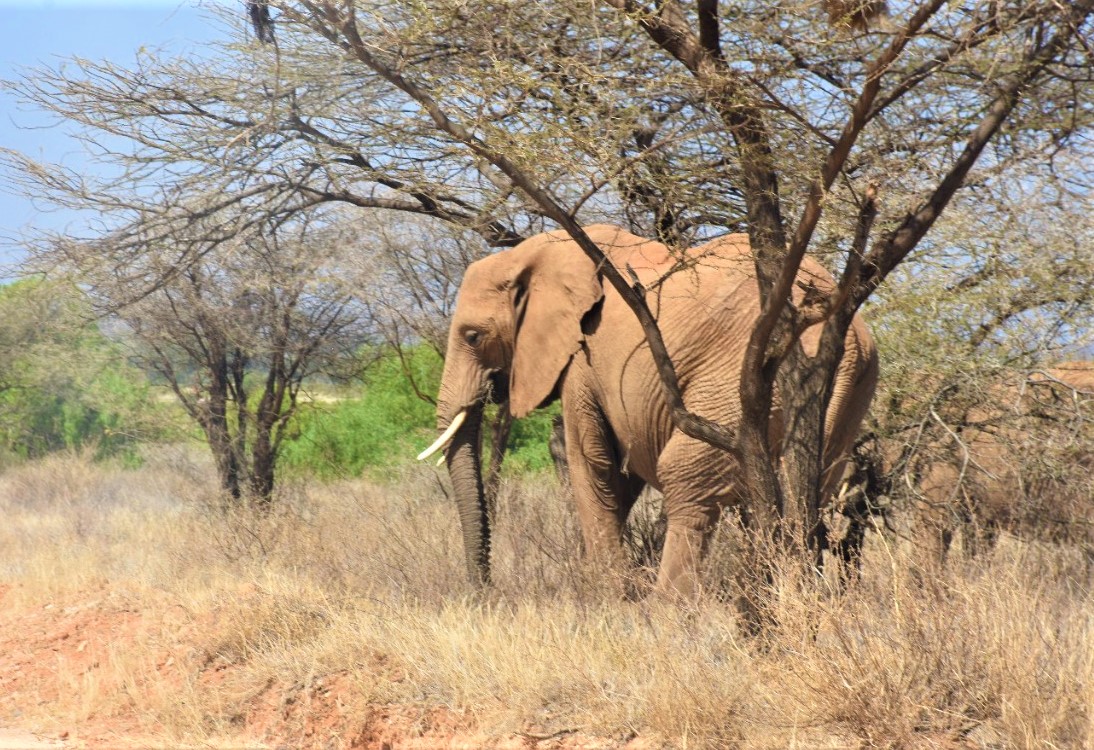
In Isiolo and neighbouring counties, the interventions are critical as wildlife increasingly continue to move towards settlements in search of water and pasture, raising tension among pastoralists who are as well facing tough climatic conditions.
Kanga noted that livestock around national parks such as Meru, Kora, Tsavo East and Tsavo West will receive feed supplements, while water trucking operations will cover drought-hit areas of Isiolo, Marsabit, Turkana, Garissa, Wajir, Mandera, Taita Taveta, and Kwale.
He noted that plans were underway to put in place long term measures including drilling new boreholes and rehabilitating existing ones.
Despite recent drought loses, Kenya’s wildlife populations show signs of recovery with latest census indicating that the elephant population has increased to 42,072 from 36,280 in 2021 while rhino population stands at 2,102 across the country.
KWS has also began patrols including deployment of helicopters to keep elephants off farms, and expanded the use of electric fences and predator deterrent lights to protect both communities and wildlife.