By Betty Luke
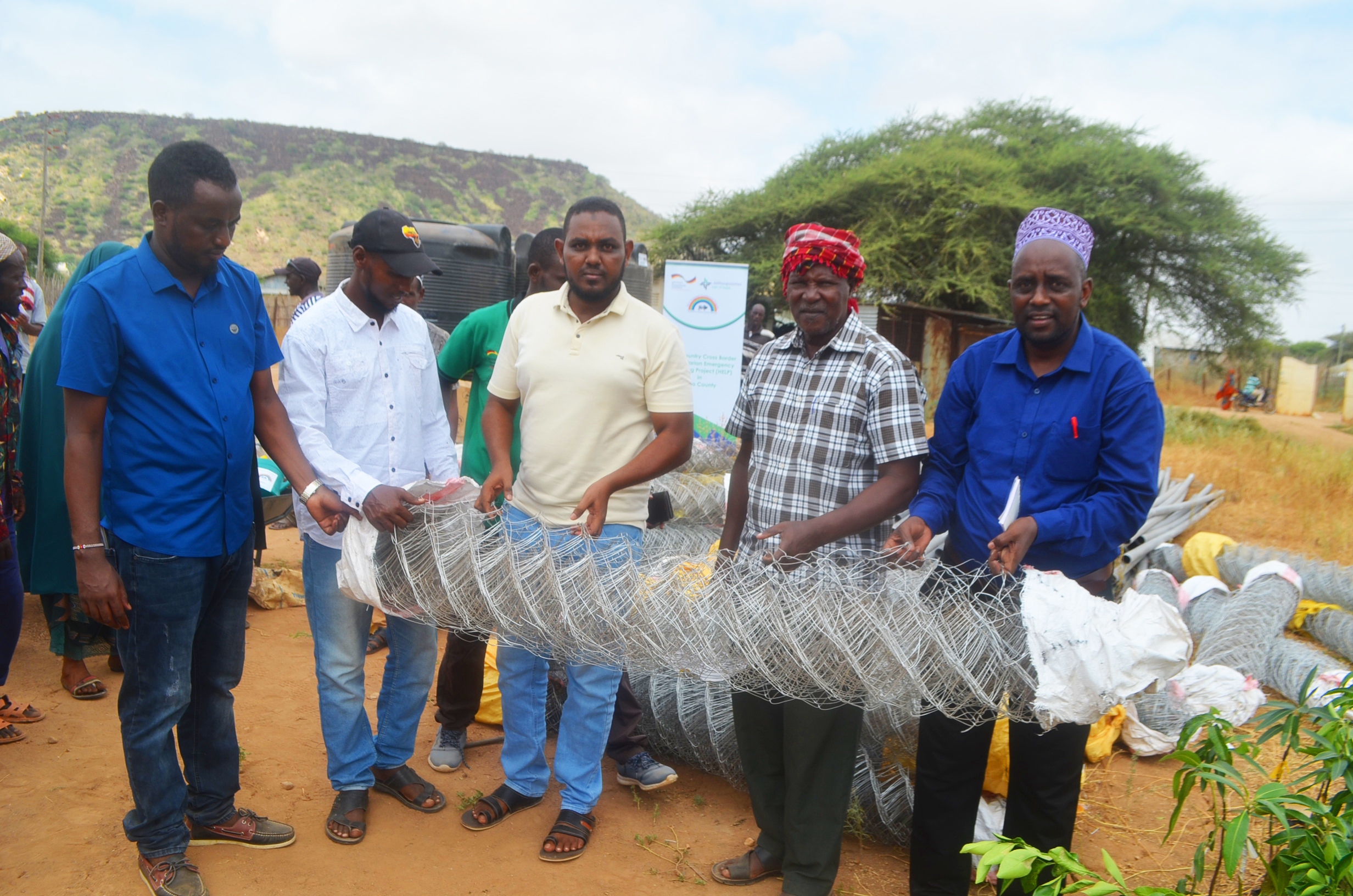
MERTI, ISIOLO-Several farmers groups have received farm inputs and tools courtesy of an ongoing Emergency Response program by the Merti Integrated Development Program (MID-P) aimed at supporting pastoralists to fully diversify their livelihood.
The eight groups are a representative of families that lost their animals to the recent drought and are now embracing alternative sources of income.
Among the items that were issued are shovels, fencing materials, beehives, water storage tanks, and generators for farmers who have shallow wells to pump water into their farms.
Mid-P program manager Ibrahim Kabelo said the identified groups have been along the River Ewaso Nyiro.
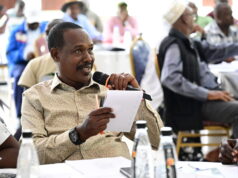
“We carried out a need assessment with the help of county agricultural extension officers to establish the support the farmers needed to maximize productivity. While they are working hard, water remains a serious challenge in the area,” Mr Kabelo said.
Beneficiary Amina Guyo of Dhefe Women Group, which farms horticultural crops, said the help was timely as their crops were previously being devoured by wildlife due to lack of a fence.
“Our farms will not be invaded by wild animals like monkeys which will boost our production,” she noted.

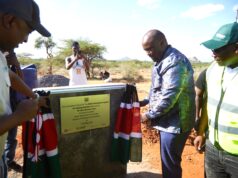
Apart from the provision of farm inputs, seeds, and tools, the German-government-funded Humanitarian Emergency Lifesaving Project (HELP) also aims to support residents in Cherab and Oldonyiro wards with emergency treatment and vaccination of animals as well as financial support through cash transfers.
The 18-month project saw over 4000 residents in four villages of the two wards receive aid in the form of cash transfers in August, September, and October last year.
The beneficiaries received Sh9, 667 each month.
Mr Kabelo noted that apart from offering alternative livelihood and food security, the project also had a Gender and Water, Sanitation and Hygiene (WASH) components.
The gender component involves among others, the provision of dignity kits to over 400 girls and supporting the development of a gender technical working group to streamline referral pathways of gender-related cases.
The WASH component focuses on provision of water treatment kits, improvement of water infrastructure such as broken boreholes, and building the capacity of Community Health Volunteers and water management committees.