By Betty Luke
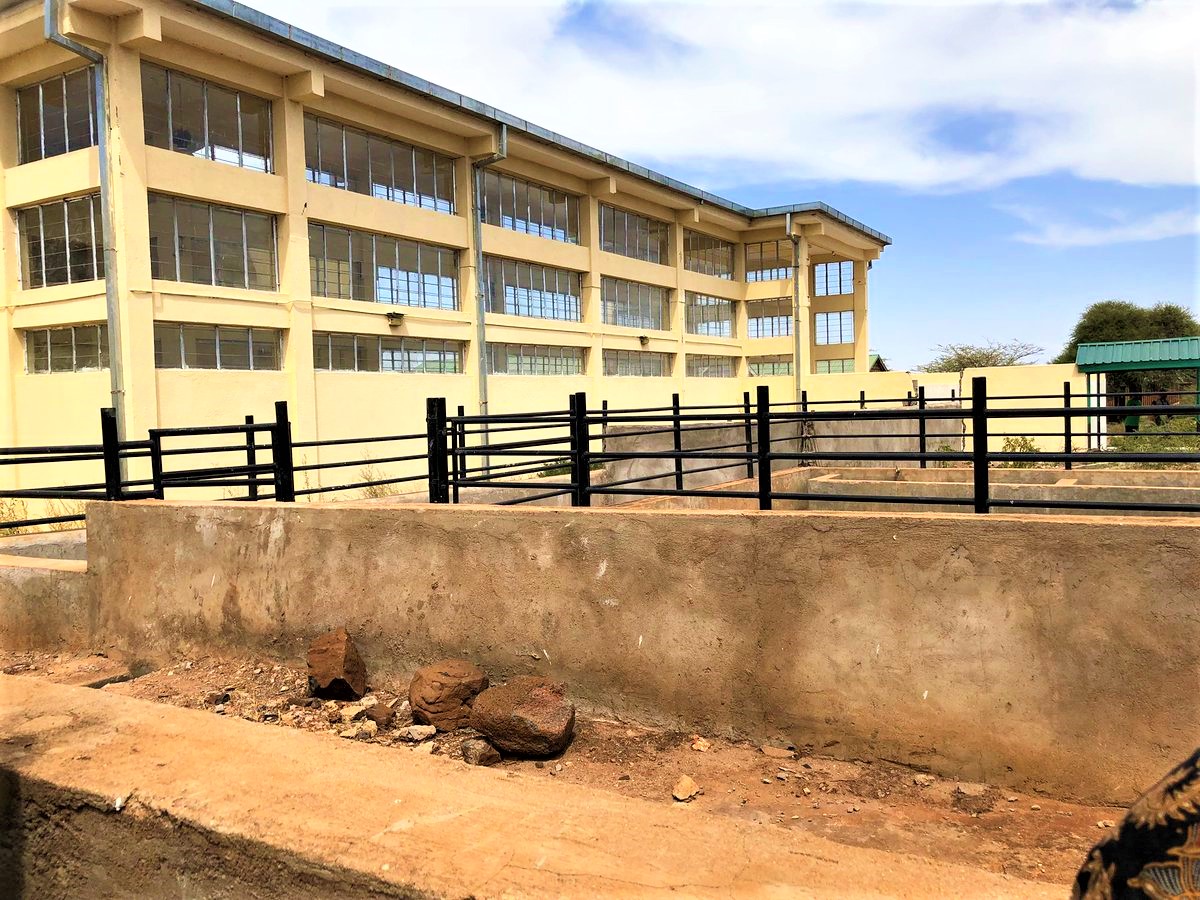
The long wait for the operationalization of the Isiolo export abattoir is not soon from over following emerging differences amongst officials on who to equip the facility before it is handed over to a private investor who will run it.
The officials are already divided into two groups, one that feels the contractor from South Africa who was assigned facility’s upgrading to international standards work should equip the facility before the private investor takes over its running.
The other faction feels the contractor has no capacity to equip the abattoir and therefore of the opinion that the private investor equips and run the facility.
Agriculture Executive Lawrence Mwongela said there was an urgent need to ensure the facility, whose completion has taken more than 10 years, is opened so that residents and particularly livestock keepers and traders benefit.
Dr Mwongela said the contractor was competent enough, having equipped close to 100 abattoirs across the world, and that he was the right person to equip the slaughterhouse according to the recent upgrade.
Speaking in Isiolo town, the official said the facility should be fully equipped first then handed over to an investor who has the capability to source for a ready market for livestock products.
“The South African contractor redesigning the facility has done 90 other abattoirs in the world so the question of whether or not he is capable is not a big issue,” Dr Mwongela said adding, “We do not need to wait for the private investor to tell us the right equipment to have in the slaughterhouse.”
The CEC noted that the contractor had completed the design work and therefore need to start sourcing for the equipment before operations commence.
At least Sh1 billion have already been pumped into the slaughterhouse that was started 14 years ago under the Vision 2030 program.
The facility was in 2020 picked for Sh800 million funding by the World Bank meant to equip it to international status.
Once complete, the facility is expected to process about 474, 000 animals every year estimated to bring about Sh400 million revenue after seven years, impact at least 20, 000 households while creating direct jobs for at least 80 people.