By Betty Luke
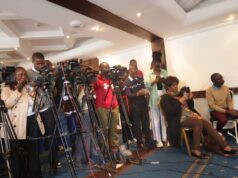
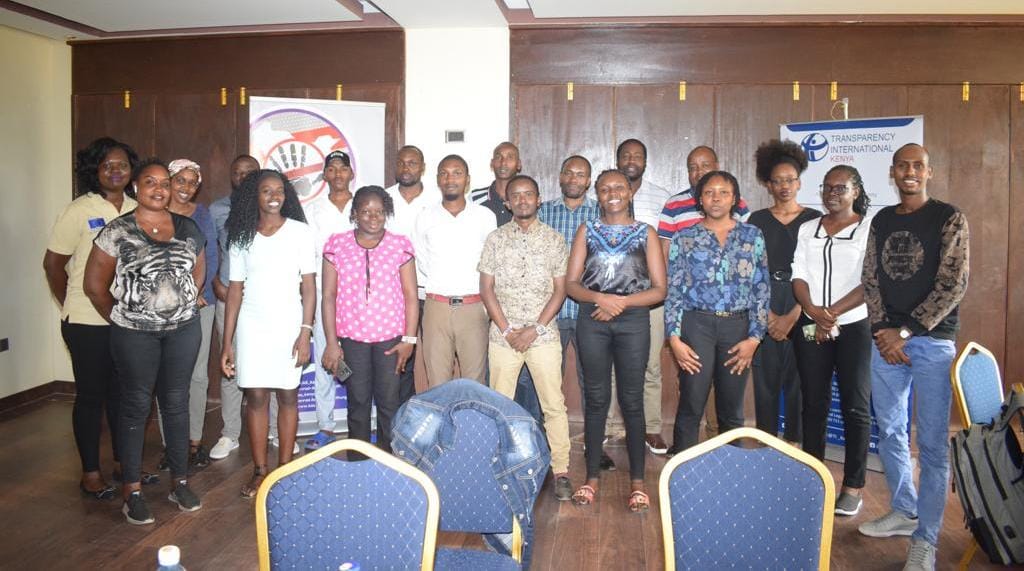
Journalists working in Isiolo and Meru Counties have benefited from a training on reporting corruption cases in the county governments in bid to ensure transparency and accountability by the duty bearers.
The four-year European Union and Konrad Adanaur Foundation co-funded project dubbed Tupigane na Ufisadi (TUNU), being implemented by Transparency International Kenya in partnership with The Institute for Social Accountability (TISA), aims to strengthen the capacity of journalists, local Civil Society Organizations (CSOs) and other actors to effectively expose and fight corruption.
The two million euros worth project seeks to directly equip over 200 CSO groups across 11 counties with skills and knowledge to help them detect, prevent and prevent corruption within their areas of operation.
TUNU project officer Lillian Gathua said the media engagement was an important aspect of the entire project as they were among the key actors in the fight against graft, both at county and national level.
“The media plays a key role in exposing corruption incidents through investigative reporting and therefore there is a need to equip them with tools to effectively report corruption for legal action,” Ms Gathua told The Press Point.
The project also aims to equip the beneficiaries with necessary knowledge to enable them to use digital technology in documenting corruption as well as linking them up with state actors for efficient advocacy work.
Isiolo Press Association Secretary-General Waweru Wairimu said the training was timely as it came at a time when the country was faced with numerous corruption scandals leading to loss of billions of money.
“The training will immensely enhance journalist’s research, investigation and packaging of stories on integrity and misuse of public funds,” Mr Waweru said after the three day workshop.
A Corruption Perception Index (CPI) report released by Transparency International in 2022 ranked Kenya at position 123/180 globally scoring a 32/100 mark on the level of corruption in the public sector.
The rating that involves a combination of surveys and assessments of corruption uses a scale of between 0 and 100 where 0 is the highly corrupt while 100 denotes a country with no incidents of corruption.