By John Lepeto
Health officials in Mandera County have appealed for support to deal with a Measles outbreak in the region where 72 cases have been recorded in October alone.
Mandera East, Kotulo and Lafey are among the most affected Sub-Counties with 21 positive cases recorded in the last one week.
The prolonged drought that has exposed hundreds of thousands of families’ to hunger has been blamed for soaring rate of malnutrition that makes many people vulnerable to diseases due to weakened immune system.
While Governor Mohamed Khalif adminstration has set aside Sh15 million to deal with malnutrition, Public Health Officer Rahama Abdullahi said more funds are needed to deal with the outbreak which is in early stage.
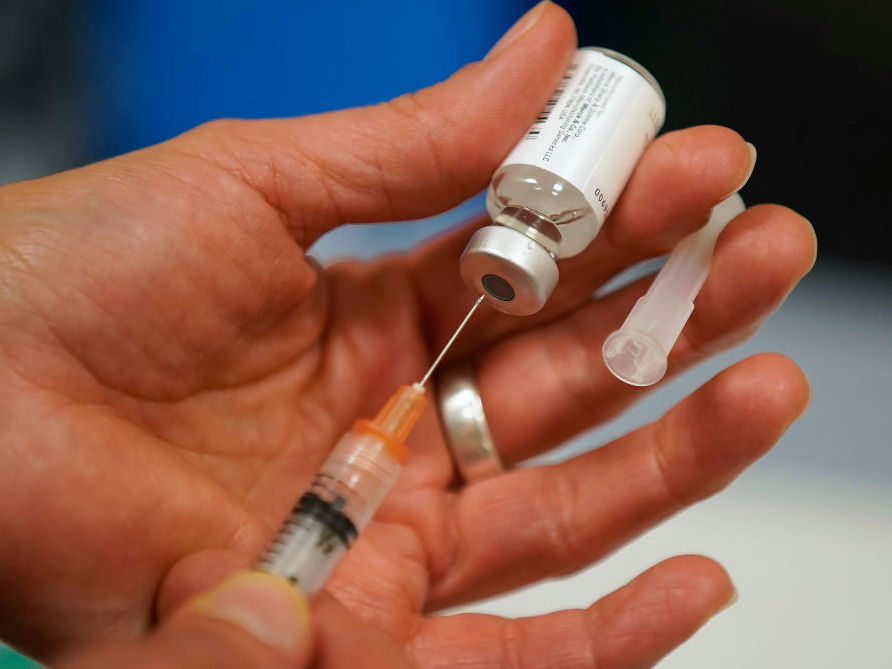
The viral infection, whose serious complications are common in children under five and adults over 30 years, is preventable by a vaccine and spreads through the air by respiratory droplets produced from coughing or sneezing.
Its symptoms that include inflamed eyes, sore throat, blotchy skin rash, fever, cough and runny nose do not appear until 10 to 14 days after exposure.
The first sign of measles is a fever that lasts 4 to 7 days, a runny nose, cough, red and watery eyes and small white spots in the cheeks and thereafter rashes on the face and upper neck which after three days spreads reaching the hands and the feet before it fades.
World Health Organisation says unvaccinated children are at the highest risk of measles and its complications that include fatalities. Unvaccinated pregnant women are also at risk.
“The outbreaks can be deadly in countries experiencing or recovering from a natural disaster or conflict. Damage to health infrastructure and services interrupts routine immunization increasing the risk of infection,” WHO says on its website.
Most of the Measle-related deaths, the organisation says, are caused by complications associated with the disease with serious ones including blindness, brain swelling (encephalitis), severe diarrhoea, ear infections or severe respiratory infections such as pneumonia.
In 2018, over 86 percent of world’s children received one dose of measles vaccine by their first birthday through routine health services up from 72 percent in 2000.
The vaccination during the period (2000-2018), WHO says, prevented about 23.2 million deaths making the vaccine one of the most bought in public health.
More than 140, 000 deaths mostly of children below five were recorded globally that year.