By John Mugendi
Viability of a business opportunity doesn’t depend on how conspicuous or noticeable it is but rather the action taken by whoever notices it first and more specifically what they do to expand it into a mega business.
Edward Mutegi popularly known as Classmate while at his Makuri village home in Maara constituency noticed that ripe avocado fruits that had fallen from a tree were producing a liquid that looked somehow like cooking oil.
Curious to know, he picked a number of the fruits, peeled and dried them and realized that they turned brown and produced a liquid similar to the cooking oil which when tested served same purpose as oil.
The idea first lingered in his mind in 2011 but had to suspend it due to lack of resources until 2018, he notes.
“It dawned to me that I had to do something as most of the avocados were going into waste considering that buyers only visited the village to purchase the fruit whenever in season,” Classmate said at past interview with Press Point.
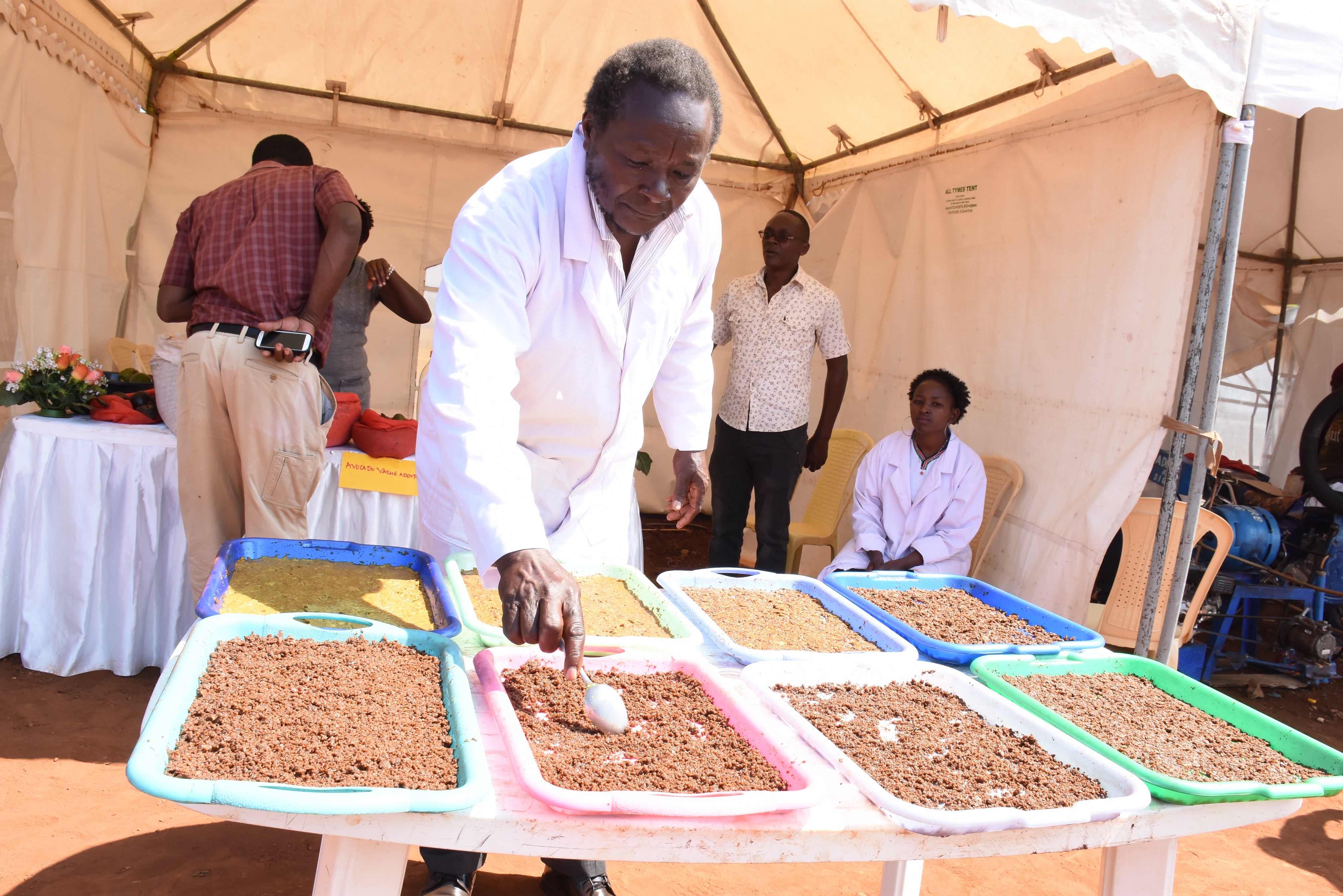
In producing the oil, Classmate peels the fruits, removes the seeds and mashes the edible part in a sufuria before transferring to a number of trays. He then spreads it on the tray and places it in the sun and interchanges after two hours intervals while also stirring until it becomes brown in colour.
The father of six will later transfer little of the brown product into a sieve that he uses to squeeze the oil out into a vessel and keeps the residue (pulp).
The 61-year-old has been selling the oil to fellow farmers at Sh300 per litre and is hopeful of soon running the business on large scale especially with a financial boost.
The former primary school teacher realized that the seeds were accumulating at his homestead and thought of crashing them with the outer layer of the fruits into smaller sizes and combining them with the residue to form cattle feed.
“I realized that the cows were trying to bite the seeds and decided to break them into smaller sizes and then mixed with pulp,” he said.
Classmate would not mind visiting various homes in his village to collect rotten avocados as he knows how important they are.
As usual, he removes the seed for the cattle fodder preparation then crushes the other part of the rotten fruit together with the outer layer and dries the product for duration of between 2-3 days.
While doing so, the product must be turned so that can dry on all the sides, he advises.
“The end product can be broken into desired shapes and works just like charcoal though its fire takes longer before going off ,”
The Kenyatta University alumni then improvised a jiko using paint tins but realized that the fire went off so fast but rectified the tin by making pores on its side thereby allowing longer burning.
While burning, the jiko emits black liquid like tar that is used as wood preservative.
Classmate notes that a lot of avocado in Tharaka Nithi County are going into waste and needs to be collected and processed into final products that can be consumed locally, nationally and internationally.
The educationist stresses that the project is meant to ensure residents of the county have cholesterol free oil and promotes a cleaner and safer environment.
A lot of farmers will plant avocado trees, earn direct income and be able to provide for their families while at the same time creating jobs for hundreds of youths at the industry.
“If helped set up a big industry, I can produce in large quantities and create job opportunities for hundreds of youths,” he concludes.