A strange trillion-shillings economic wastage has been ongoing in rural areas since independence.
The wastage translates into what economists refer to as dead capital.
Rural folks have invested a huge proportion of their money in commercial buildings that are never put into any gainful use.
Although no research has been conducted to determine why this investment behaviour still lingers, there is evidence that the build up of dead capital has reached astronomical proportion.
Take Tea and Coffee-rich Mt Kenya East for instance. The two crops brought incomes boom in the seventies and with it mushrooming of countless commercial centres in every district.
Apart from the shopping centres, many a farmer built a shop at home, shortage of customers notwithstanding.
By late eighties, the concept of cash crop supported commercial centres started to decline as Tea and Coffee prices took a nosedive.
Alternative agricultural related business ventures that supplemented these major cash crops couldn’t earn rural folks enough money to sustain these commercial centres and homestead shops that sprouted all over the place.
Some blamed lack of tarmacked roads for the demise of rural shopping centres.
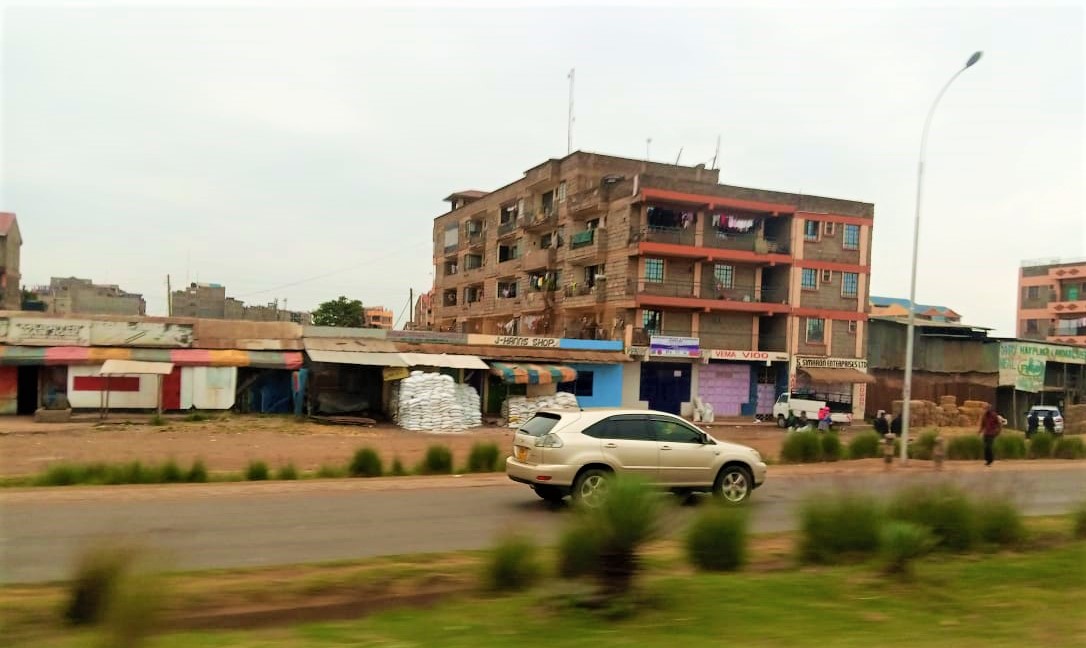
Truth is that even after tarmacks traversed many dormant shopping centres in rural areas, the countryside is littered with dilapidated and abandoned commercial buildings that are worth an arm and leg.
One would think the story ends there and the rural farmer or resident would learn a bitter lesson from this monumental failure of commercial buildings business ventures.
Not at all. In a bizarre twist, the rural folks continue to invest in this wasteful economic activity unabated.
Thousands of old abandoned shops stand alongside newly constructed and those undergoing construction.
The frenzy to build these worthless shops is like a culture.
How can a people with better investment options put their resources to such waste?
Is it lack of knowledge about available investment products in the money, bonds, and stock markets?
Whether this queer investment phenomenon is due to ignorance or not, the fact of the matter is that trillions of shillings in rural areas is increasingly being tied up in wasteful investments that are impoverishing many families.
Every other time a rural folk is acting like a person possessed by putting hard-earned money in these useless shops.
At times some get to earn some peanuts by letting out these relics if they are lucky to be residing near schools or hospitals.
Majority just give up even opening them for retail and groceries selling because after all who buys from whom if almost every other homestead has a shop of its own?
If ever there was a time when government should intervene, I think this is an area whereby the ministry incharge of commerce and industry should do so.
The entry point should obviously be educating and persuading rural folks that they need to accept the reality that there is no business sense to invest for the sake of it.
Both the national and county governments should urgently move in and provide advisory services to rural folks, especially by availing information about non-risky and profitable investment products that are available in the country.
Essentially, rural folks must be encouraged to have faith in real estate investments within fast growing towns where the demand for commercial and residential housing is high.
Otherwise if the rural folks are to be left to continue this strange investment culture, poverty and suffering will continue to afflict millions of Kenyans in rural areas amidst plenty.
This wastage must be stopped at all cost!
Kaunda wa Muchunku
Do you have any commentary you would want us to publish? Share with us via thepresspoint07@gmail.com