By Betty Luke
Families hard hit by ongoing drought in Burat and Ngaremara wards are set to benefit from a Plan International supported intervention aimed at ensuring the affected households have access to dignified livelihood.
The intervention includes cash transfers, water trucking, provision of water tanks to selected schools, and the distribution of dignity kits to school-going girls.
According to NDMA, Isiolo is among counties already at alert stage and experiencing worsening drought conditions following below-normal rainfall, placing increased pressure on household livelihoods, water access, and protection systems, particularly for women and girls.
The drought response activities are being implemented alongside Plan International’s four-year Gender-Based Violence Prevention and Response programme, which is currently underway in the two wards.
The programme focuses on strengthening community-based prevention mechanisms, improving survivor-centred services, and enhancing coordination between the county government and other stakeholders.
Speaking during a stakeholder meeting with county government representatives, Plan International’s Isiolo coordinator Maurice Odingo said the organization was keen on strengthening collaboration with the devolved government to enhance impact at the community level.
He hailed the county government for demonstrating political goodwill in partnering with the organization during project implementation.
“The support we have been receiving from the county government is immense,” he said.
To ensure effective targeting and accountability, Plan International is working closely with the County Steering Group to identify the most vulnerable households and schools.
The organization is also collaborating with the Health department to establish a GBV response centre at the Isiolo County Teaching and Referral Hospital (ICTRH), whose staff will include medical personnel to support reporting and management of GBV cases.
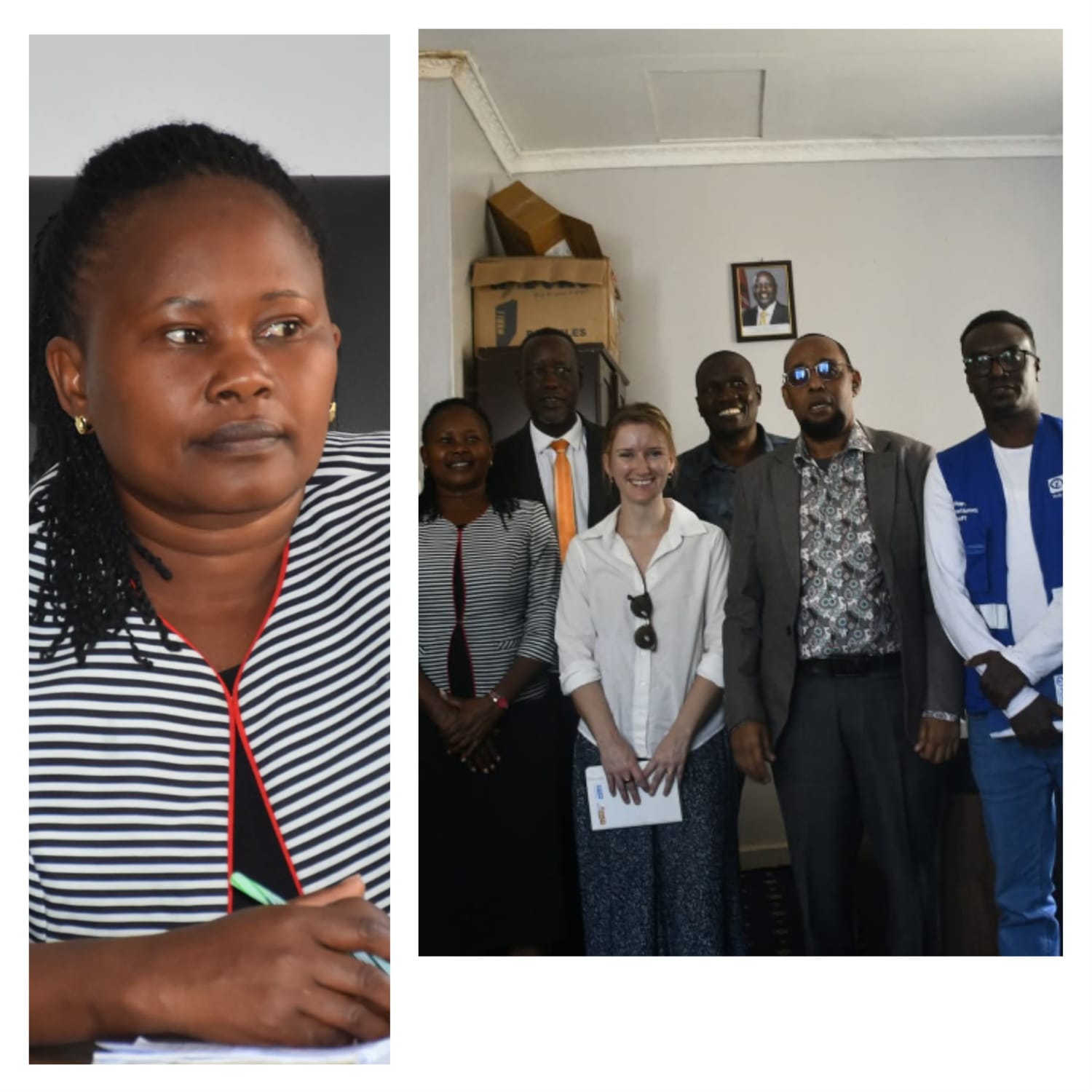
During the visit, the Isiolo County Government hosted a Plan International delegation from Kenya, Somalia, and Ethiopia, who were on a learning mission to benchmark best practices from the Kenya programme.
Health CEC Lucy Kaburu, underscored the importance of a strong multi-sectoral approach in addressing GBV, noting that the health sector plays a critical role in survivor support.
“We are committed to spearheading awareness and ensuring survivors are handled with dignity to avoid stigmatization,” Kaburu said, while appealing for the capacity building of Community Health Promoters to strengthen GBV prevention and response at the community level.
The GBV Prevention and Response project is a four year project being implemented in Kenya, Ethiopia and Somalia. It involves building the capacity of local women led organizations who deliver the interventions at the community level.
In Kenya, the project is being implemented by nine women led organizations in Isiolo.