By Betty Luke
Parents in Isiolo have been urged to heighten vigilance over their children’s wellbeing amid rising concerns of evolving forms of violence targeting minors.
Human rights crusaders say children, especially girls, are increasingly exposed to risks both online and within their communities, making parental involvement more critical.
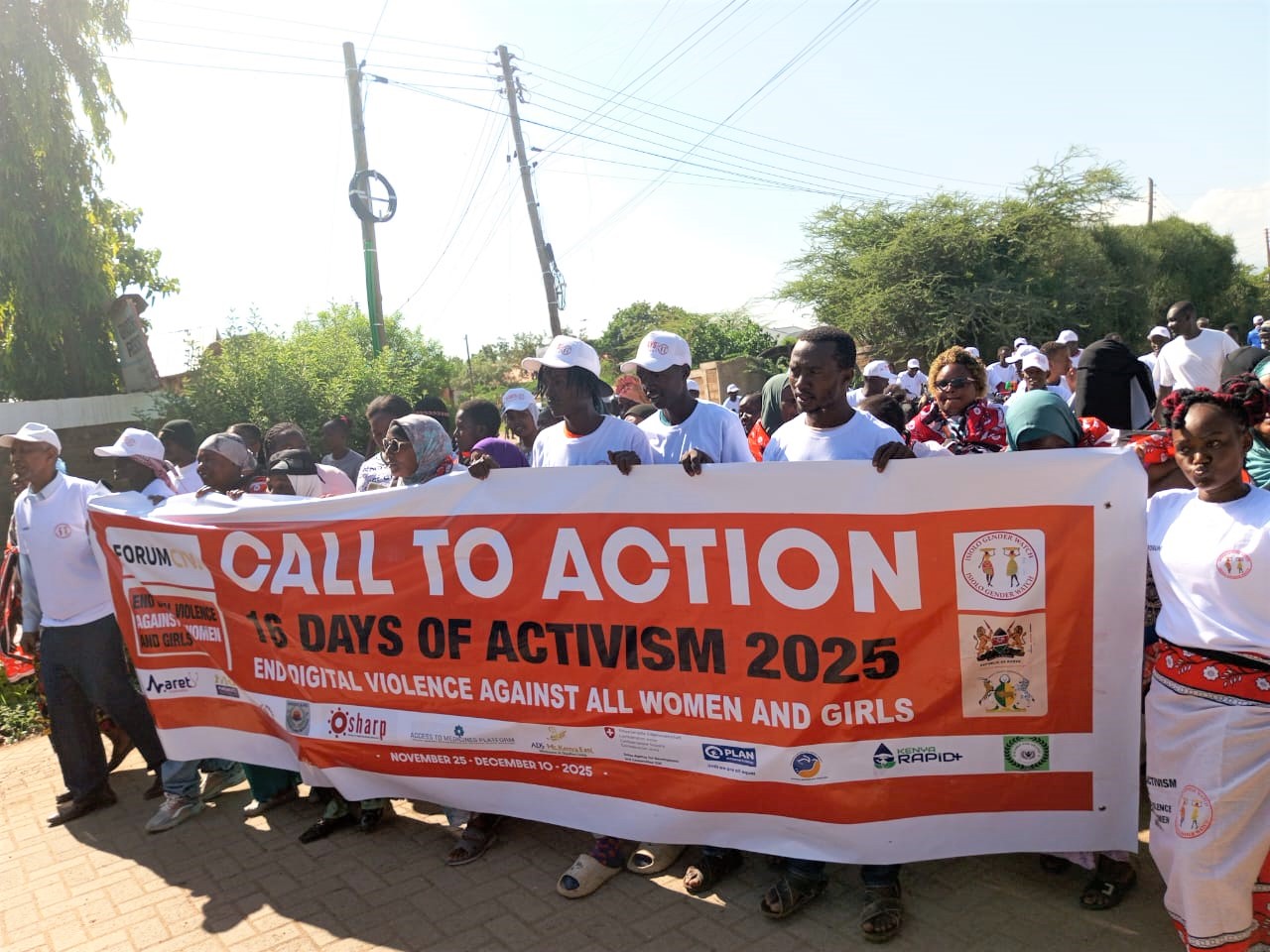
Speaking during the launch of the 16 days of activism against gendered violence, activists warned that violence against children was slowly becoming more sophisticated and harder to detect than other forms of violence.
They took issue with the rise in unhealthy relationships targeting young girls through social media noting that minors were increasingly being lured into manipulative friendships disguised as mentorship or affection, exposing them to emotional exploitation, sexual grooming, and long-term trauma.
Isiolo Gender Watch Executive Director Grace Lolim urged parents to monitor their children’s digital activities saying that perpetrators often use the social platforms to lure unsuspecting minors.
“Once you buy your child a gadget, please ensure you are aware of which sites they are visiting. Monitor who they speak to and the details of the conversation because some of them are recruited into unhealthy groups without their knowledge” she said.
Ms Lolimsaid that digital grooming had become one of the most common gateways to abuse, with many young girls unknowingly forming emotional attachments with older individuals who later exploit them.
She called on parents to initiate open conversations on online safety, healthy relationships, and personal boundaries instead of relying solely on device monitoring.
A 2021 report by UN Women revealed that 1 in three women have faced online harassment at some point in their lives.
In Kenya, the National Gender and Equality Commission reports a sharp rise in cyberstalking, online grooming, and the non-consensual circulation of sexual images.
These attacks often cause psychological distress, social exclusion, and can even escalate to physical violence with experts warning that women with limited digital literacy are more vulnerable to the abuse.
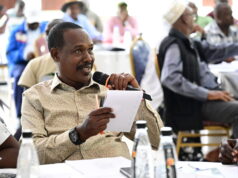
Medical Services Chief Officer Mohamud Abdikadir said drug abuse, Female Genital Violence (FGM), early marriages, and uncontrolled digital exposure had made young women more vulnerable to digital violence.
He called for strengthened community education, better rehabilitation services, and coordinated prevention efforts across institutions.
Leaders further urged families not to tamper with evidence in rape and defilement cases.

Dr Mohammud reassured the public that survivors unable to afford treatment would be supported under a hospital waiver that covers both urgent medical care and postmortem services linked to GBV cases.
NGEC Regional Coordinator Nahashon Lotaruk called for the establishment and equipping of a rescue center that would offer psychosocial support, legal aid, and safe shelter to survivors of violence across the vast county.
Isiolo Subcounty DCC Edwin Kuria encouraged residents to make proper use of existing toll-free lines and community policing structures to report suspected GBV cases to ensure justice is served to survivors.