By Betty Luke
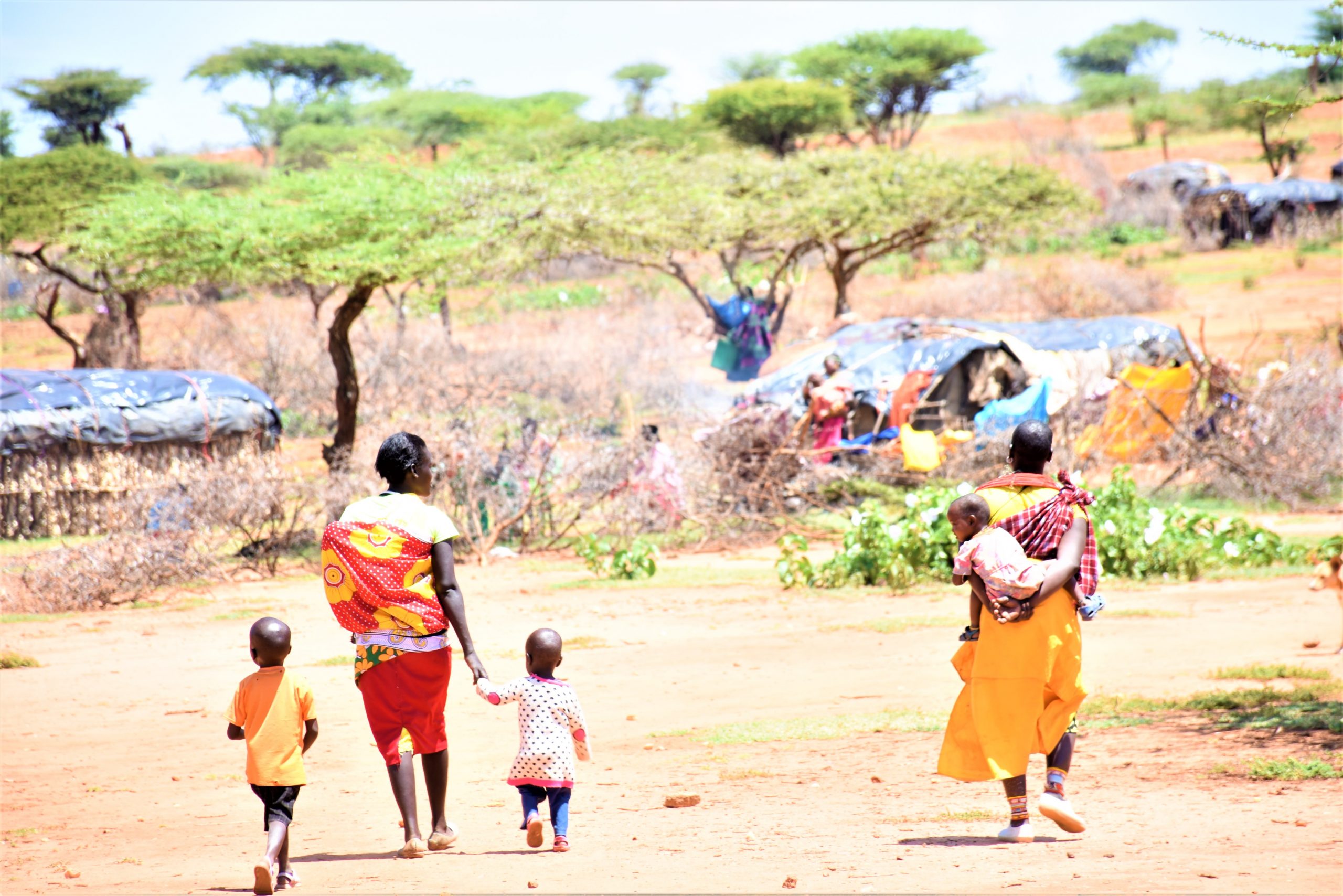
Isiolo County continues to grapple with high levels of Gender-Based Violence (GBV) against women, with new data painting a grim picture, requiring concerted efforts.
A 2023 baseline survey by Isiolo Gender Watch found that nearly half of women aged 15–49 (46 percent) have experienced physical violence, while 36 percent of girls are married off before the age of 18.
Although FGM rates have declined from 84 percent in 2016, about 20 percent of women and girls are still subjected to the cut.
In some communities, FGM is carried out in secrecy, especially during school holidays with survivors experiencing physical and emotional trauma with little access to justice.
Nasieku, a 15-year-old from Oldonyiro, was lured home under the pretense of a family gathering and forcibly ‘cut’.
The excruciating procedure left her with severe bleeding and trauma. The case was never formally reported due to pressure from elders and a mistrust in local authorities.
A big number of the survivors say police stations are not safe spaces as some of the officers ostensibly lack requisite skills, resources, or gender sensitivity to handle such cases.
“Most of our officers have not received specialized training on GBV. They are good at general law enforcement, but when it comes to Gender-Based cases especially those involving minors, many don’t know the right procedures,” admitted a senior officer at Isiolo Police Station.
To address this gap, the Komesha FGM Sasa Programme, funded by the UN Population Fund (UNFPA) and implemented by the Gender Violence Recovery Centre (GVRC), has been training police officers and local chiefs in high-prevalence counties with a special focus on survivor-centered case management, legal frameworks, psychosocial first aid, and self-care.

A total of 25 officers and chiefs have already been trained in Isiolo Sub-County.
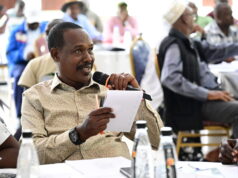
Waso Chief James Chuchu, a beneficiary of the initiative, says the intervention was timely as it equipped them with skills, crucial in handling survivors of violence with care and dignity.
According to the administrator, if well equipped, they would guide survivors on proper reporting mechanisms as well as sensitize the local communities on the harmful effects of violence.
“We cannot keep looking away. If we, as leaders, are not equipped to handle these issues, we become part of the problem,” he told The Press Point.
The chief committed to mobilize his community through frequent barazas, creation of referral partnerships with NGOs, and setting up confidential reporting channels for survivors.
The training, facilitated by IGW Executive Director Grace Lolim, emphasized not only technical knowledge but also emotional intelligence.
It underscored the need for the enforcement officers not to just apply the technical knowledge but also ensuring a humane approach when handling GBV cases.
The program also seeks to strengthen referral pathways to health facilities, legal aid providers, and emergency safe spaces.
Although there has been a lot of effort by Non-Governmental actors to address violence against women, poverty and drug abuse affects over 70 and 88 percent respectively further worsening the situation.
For survivors like Nasieku and many others, the existence of well trained police officers, informed chiefs and stronger community networks is the beginning of their seemingly long healing journey.