By Betty Luke
Indigenous women from across East Africa have called for their inclusion in Artificial Intelligence (AI) governance to protect communities from rights violations, digital exclusion, and loss of indigenous knowledge.
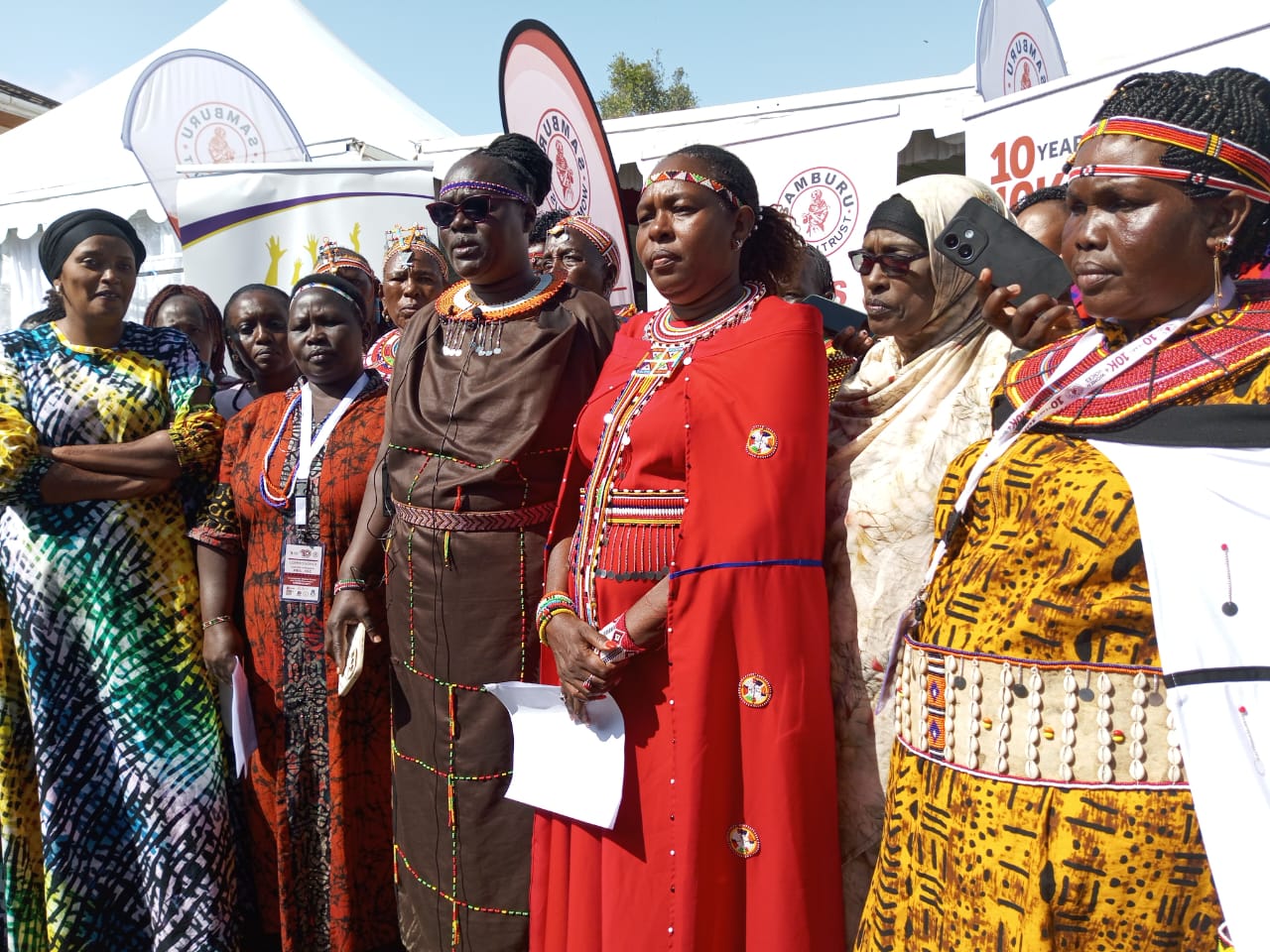
Over 300 women from pastoralist, hunter-gatherer, and fisher-folk communities, under the Indigenous Women Council umbrella, during the International Day of the World’s Indigenous People, decried continued exclusion.
This year’s theme, Indigenous People and AI – Defending the Future, placed technology at the centre of the rights conversation.
IWC Convener and Samburu Women Trust Executive Director Jane Meriwas warned that failure to include indigenous voices in AI governance could have long-term consequences.
“AI must not widen the digital divide or exploit our traditional knowledge,” she said adding, “We need safeguards so that our perspectives are reflected in how AI systems are designed, deployed, and monitored.”
National Gender and Equality Commission (NGEC) Chairperson Rehema Jaldesa confirmed that the advancement in technology was slowly advancing marginalization and that indigenous communities were at a greater risk.
Ms Jaldesa said the exclusion would cause erosion of indigenous knowledge and further deepen inequalities.
“There is an urgent need for inclusion of indigenous voices in Kenya’s National AI Strategy implementation to ensure protection of indigenous intellectual property and traditional knowledge,” she said, in a statement read on her behalf by NGEC Commissioner Caroline Lentupuru.
While calling for meaningful partnerships by the government with indigenous led organizations in creating culturally responsible AI solutions, the official demanded more investment in digital programs that target the marginalized communities.
“The government should invest in digital infrastructure, innovation hubs, and literacy programs targeting indigenous youth, women, and persons living with disabilities,” she said.
Beyond AI, Meriwas called on the government to streamline historical land registration and ensure Free, Prior and Informed Consent (FPIC) for all indigenous communities before undertaking development projects in areas inhabited by the historically marginalized communities.
IWC Chairperson and Isiolo Gender Watch Executive Director Grace Lolim said constitutional guarantees have not translated into meaningful change especially on matters land rights, inclusion in leadership positions and Sexual and Gender Based Violence against women.
“Historical injustices have been normalised and many of our people still lack land ownership document.The government must protect our land and ensure we get title deeds,”said Ms Lolim.
Lolim also pushed for the integration of indigenous knowledge into school curricula and the deployment of interpreters in police stations to assist indigenous language speakers.
“Survivors of GBV face challenges while explaining their challenges especially at the local police stations. This has greatly hindered justice,” she said.
Indigenous Wellbeing Initiative representative Gabriela Lorere praised women’s role in grassroots peace efforts and called on the government to collaborate with them to further push for peace and cohesion.